All Categories
Featured
Table of Contents
Adjusting Household Financial Resource in Richmond Financial Counseling During 2026
The financial environment of 2026 has brought a new set of difficulties for households trying to balance rising costs with long-lasting stability. While inflation has actually supported compared to the start of the decade, the cumulative result on grocery prices and real estate remains a heavy concern for many homes. Mastering the 2026 budgeting cycle requires more than simply tracking expenditures. It demands a proactive strategy concentrated on credit healing and debt reduction.Families in Richmond Financial Counseling typically discover that standard budgeting methods require adjustment to account for the current rates of interest environment. With credit card rates staying high, the cost of carrying a balance has actually ended up being a considerable drain on month-to-month income. Expert guidance on Credit Management has assisted lots of people recognize where their cash is leaking and how to reroute those funds towards high-impact debt payment. The initial step in this year's cycle includes a deep appearance at fixed versus variable costs. In 2026, subscription services and digital subscriptions have become sneaky budget killers. A comprehensive audit of bank declarations regularly exposes numerous dollars in automatic payments that no longer offer value. Rerouting this recuperated money towards charge card principals can accelerate the path to financial freedom.
Strategic Credit Restoring in the 2026 Economy
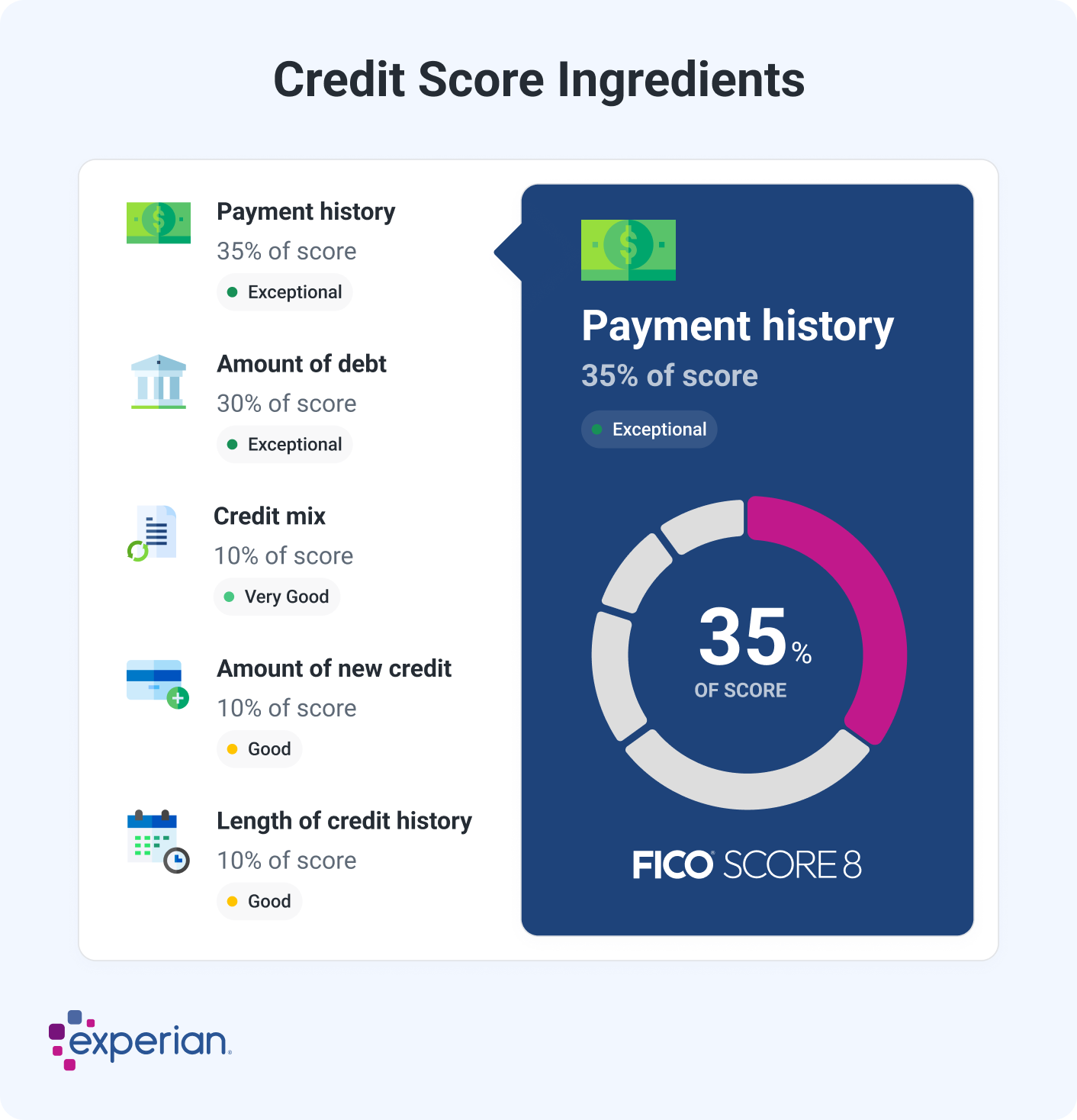
Credit rating in 2026 are more than just numbers; they identify the feasibility of major life changes, from transferring to a new rental in the surrounding region to securing an automobile loan. Reconstructing a damaged rating requires consistency and an understanding of how modern loan providers see threat. Payment history stays the most influential aspect, but the debt-to-income ratio has handled increased importance as lenders tighten their requirements. Strategic Credit Management Solutions provides a clear course for those who have experienced monetary setbacks. By working with Department of Justice-approved firms, families can access structured plans that streamline the recovery process. These programs often concentrate on reducing the overall interest paid, which permits more of each payment to approach the actual financial obligation. This sped up reduction in overall balance is among the fastest methods to see a positive relocation in a credit score.Nonprofit credit therapy firms play a crucial function in this procedure by offering complimentary assessments. These sessions assist homeowners of the regional area understand their present standing without the pressure of a sales pitch. Therapists take a look at the total financial picture, including concealed financial obligations and possible cost savings, to create a roadmap that is realistic for the 2026 cost of living.
The Mechanics of Financial Obligation Management and Debt Consolidation

For numerous families, handling numerous credit card payments with varying due dates and interest rates is the primary source of monetary tension. Financial obligation management programs have become a preferred solution in 2026 since they combine these obligations into one workable monthly payment. This method does more than simply streamline accounting. It typically includes negotiated rate decreases that are not offered to individuals acting on their own.When a family gets in a financial obligation management strategy, the not-for-profit firm works directly with lenders to lower rate of interest and waive particular costs. This is particularly beneficial in 2026, where average retail card rates have reached historic highs. By decreasing the interest, a bigger part of the regular monthly payment hits the principal balance instantly. This organized approach guarantees that the debt is paid off within a particular timeframe, typically 3 to five years.Successful budgeting likewise requires a plan for the unanticipated. In Richmond Financial Counseling, families are encouraged to develop a modest emergency fund even while paying down debt. While it appears counterintuitive to conserve while owing money, having a little buffer avoids the need to use charge card when a vehicle repair or medical bill occurs. This breaks the cycle of financial obligation that traps a lot of families in a long-term state of monetary insecurity.
Real Estate and Financial Literacy in Richmond Financial Counseling
Housing stays the biggest cost for many families in the surrounding region. Whether renting or owning, the 2026 market requires cautious planning. HUD-approved housing counseling has actually ended up being a staple for those seeking to purchase their very first home or those having a hard time to stay in their current one. These services provide an objective view of what a family can in fact manage, considering the overall expense of ownership instead of simply the home loan payment.Education is the foundation of any long-lasting financial success. Many neighborhood groups now offer workshops on monetary literacy that cover everything from basic accounting to complex credit laws. Homeowners significantly rely on Credit Management for Richmond Families to navigate intricate monetary requirements and ensure they are making notified decisions. Comprehending how credit reporting works and understanding your rights under the Fair Credit Reporting Act is necessary in an era where data errors can have instant financial consequences.The 2026 budgeting cycle is not almost survival; it has to do with building a foundation for future growth. By utilizing the resources supplied by nonprofit agencies, households can move from a state of consistent stress to one of controlled progress. This includes setting clear objectives, such as reaching a specific credit history or getting rid of a particular financial obligation by the end of the year.
Long-Term Stability and Neighborhood Resources
Community partnerships in Richmond Financial Counseling have broadened to supply a more detailed support group. Financial organizations and regional nonprofits are working together more often to offer co-branded programs that concentrate on debt reduction and savings. These efforts typically consist of tools for real-time budget plan tracking and alerts that assistance households stay on schedule.Pre-bankruptcy therapy and debtor education are also readily available for those facing more extreme monetary distress. These are not simply legal requirements however are created to provide the tools necessary to prevent future monetary crises. By gaining from past errors and executing brand-new routines, people can emerge from personal bankruptcy with a plan to rebuild their credit and maintain a well balanced budget moving forward.The course to financial health in 2026 is a marathon, not a sprint. It requires a commitment to changing routines and a determination to seek help when the problem ends up being too heavy. With the right tools and a structured plan, households can take control of their finances and look forward to a more steady future in the United States. The resources are available; the key is taking the initial step toward a more orderly and debt-free life.

Latest Posts
Why Mortgage Approval Depends on Your Monetary Knowledge
Stop Paying Expired Debts Across the Regional Area
Is Your Mortgage Company Following 2026 Foreclosure Rules?